


Custom and Reusable Plastic Cup Systems for Beverage Brands
custom cup coffee, reusable boba cups, cups plastic reusable, measuring cups plastic
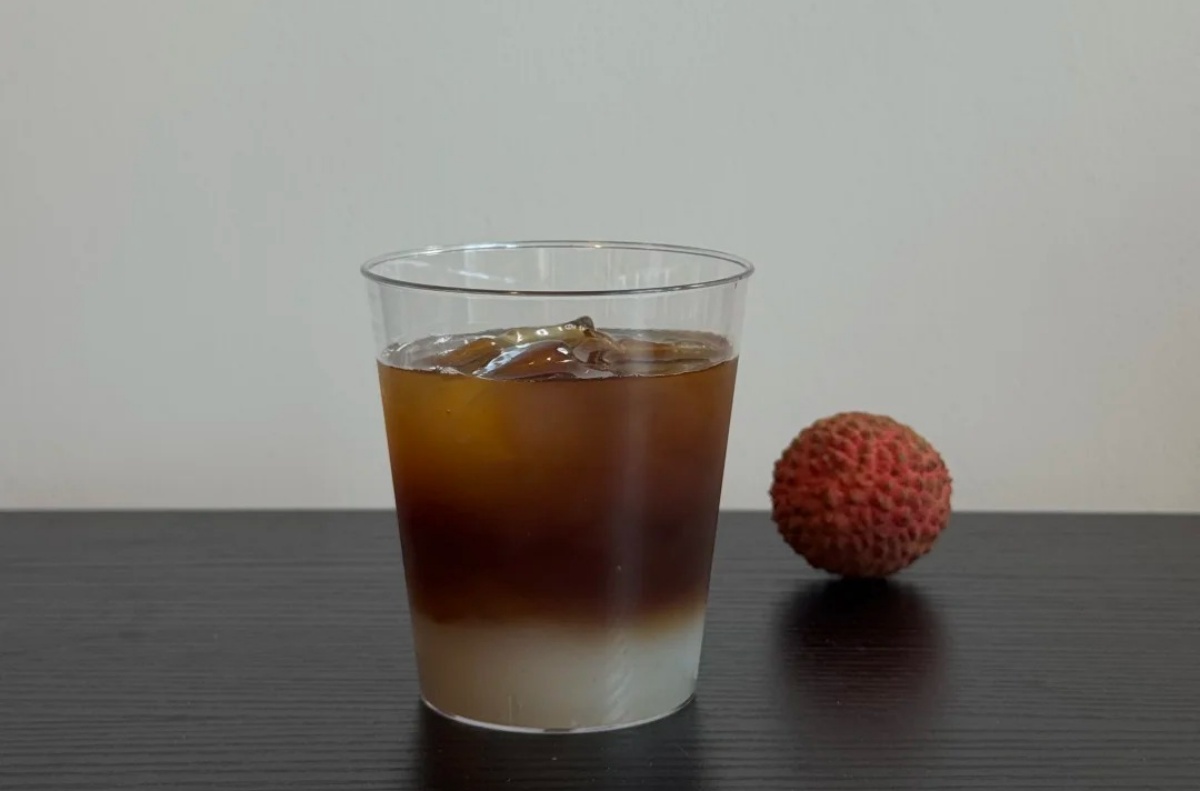
In professional beverage operations, cups are not interchangeable tools. Different cup types serve different roles in branding, daily service, food preparation, and cost control. Choosing the wrong type leads to spills, customer dissatisfaction, inefficient workflows, and higher replacement rates. This article focuses on four functional cup categories that are commonly used by beverage brands and foodservice operators.
Custom Cup Coffee for Brand Identity and Performance
A custom cup coffee solution is typically designed for cafés, chains, and franchise systems that want consistent visual identity across all locations.
These cups are often customized in shape, color, surface finish, and logo placement. Most custom cups are made from PP, PET, or Tritan, depending on whether they are intended for hot drinks, cold drinks, or long-term reuse. For hot beverages, PP is usually preferred because it can withstand temperatures up to 100°C without warping. For iced coffee and cold brew, PET is sometimes chosen because of its clarity. Tritan is used in premium reusable systems because it is scratch-resistant and visually similar to glass.
Standard sizes include 8oz, 12oz, and 16oz. Wall thickness for reusable custom cups usually ranges from 0.45 mm to 0.7 mm. Thinner walls reduce cost but shorten product lifespan. A good balance is around 0.55 mm. Lid compatibility is critical. Custom cups must either match existing standard lids or be developed with matching custom lids. Even a small mismatch can cause leaks, which leads to customer complaints and wasted product.
Reusable Boba Cups for Specialty Beverage Applications
Reusable boba cups are specifically designed for bubble tea, fruit tea, and drinks that contain solid ingredients such as tapioca pearls or fruit chunks. These cups must support large-diameter straws and allow smooth liquid flow without clogging.
Most reusable boba cups are made from PP or Tritan. PP is flexible, impact-resistant, and cost-effective. Tritan offers better clarity and scratch resistance but is more expensive. Common capacities include 500 ml, 700 ml, and 1000 ml. Important performance requirements include: – Crack resistance when dropped – Compatibility with dome or flat boba lids – Smooth inner surface for easy cleaning – Stackability for efficient storage. Reusable boba cups must survive frequent washing. A well-designed product should withstand at least 200 dishwasher cycles without warping or clouding.
Cups Plastic Reusable for Institutional and General Use
Cups plastic reusable are used in many non-retail environments such as offices, schools, cafeterias, stadiums, and hospitals. These cups are designed to replace disposable products and reduce long-term cost.
PP is the most common material because it is flexible, chemical-resistant, and dishwasher-safe. Tritan is used when higher transparency and a more premium look are required. Typical sizes range from 250 ml to 600 ml. Smaller sizes are used for water or juice. Larger sizes are used for smoothies or shakes.
Key design features include: – Rolled rims for comfort and durability – Textured surfaces for grip – Thickened bases for stability – Proper taper angles for easy stacking. Reusable cups often fail at the rim area if the material is too thin. A reinforced rim improves lifespan significantly.
Measuring Cups Plastic for Operational Accuracy
Measuring cups plastic are not customer-facing, but they are essential tools in food and beverage operations. They ensure consistency, reduce waste, and support standardized recipes.
PP is the preferred material because it resists chemicals and heat. Clear plastic is used so staff can easily read volume markings. Markings can be printed or molded. Molded markings last longer and do not fade. Printed markings are cheaper but less durable. Common capacities include: – 100 ml – 250 ml – 500 ml – 1000 ml.
Handle strength is a major quality indicator. Cheap handles break under repeated use. A good measuring cup should withstand pulling and twisting without cracking. Pour spout design also matters. A poorly designed spout causes dripping and waste.
Strategic Procurement and Category Differentiation
From a procurement perspective, these four categories should never be mixed together. Each has different requirements for durability, material, shape, and lid compatibility. Custom coffee cups focus on branding and heat performance. Reusable boba cups focus on straw compatibility and drop resistance. Reusable general-purpose cups focus on comfort and long-term durability. Measuring cups focus on accuracy and mechanical strength.
Treating these as the same product leads to incorrect purchasing decisions and operational issues. The strategic selection of plastic cup systems requires careful consideration of each category's specific requirements and intended applications. By matching cup designs to their operational roles, beverage businesses can optimize both performance and cost efficiency.
The professional management of plastic cup systems represents a critical component of successful beverage operations. By understanding the distinct requirements of different cup categories—from brand-focused custom solutions to functional utility tools—foodservice operators can make informed decisions that enhance customer experience, improve operational efficiency, and reduce long-term costs. The strategic integration of purpose-built cup systems provides both practical benefits and competitive advantages in today's demanding beverage market.
| Cup Category | Primary Materials | Key Features | Typical Capacities | Main Applications |
|---|---|---|---|---|
| Custom Cup Coffee | PP, PET, Tritan | Brand customization, heat resistance, lid compatibility, 0.45–0.7 mm walls | 8oz, 12oz, 16oz | Cafés, coffee chains, franchise systems |
| Reusable Boba Cups | PP, Tritan | Large straw openings, crack resistance, boba lid compatibility, 200+ dishwasher cycles | 500 ml, 700 ml, 1000 ml | Bubble tea shops, fruit tea stores, dessert bars |
| Cups Plastic Reusable | PP, Tritan | Rolled rims, textured grip, thickened base, easy stacking, reinforced rims | 250 ml, 400 ml, 600 ml | Offices, schools, cafeterias, stadiums, hospitals |
| Measuring Cups Plastic | PP | Volume markings, durable handles, pour spouts, chemical and heat resistance | 100 ml, 250 ml, 500 ml, 1000 ml | Food preparation, drink mixing, syrup dosing, recipe standardization |
As the beverage industry continues to evolve, the strategic management of cup systems will play an increasingly important role in operational success. By understanding the specific requirements of different cup applications—from customer-facing brand representation to back-of-house food preparation—businesses can optimize their cup selections for both performance and cost efficiency. The thoughtful integration of purpose-built cup solutions represents both a practical necessity and a strategic opportunity in competitive foodservice environments.